The Path to Addiction: Stages of Alcohol addiction
Moderate drinking really isn't a reason for concern in most grownups. When alcohol consumption gets out of control, you might be on a hazardous trail to addiction.
The National Institute on Alcohol Abuse and Alcoholism (NIAA) believes that 18 million Americans have alcohol use disorders. Alcoholism really isn't produced in a single day. It emerges from long-lasting misuse of alcohol.
allergic to alcohol
Understanding the symptoms and signs of each stage can help you in looking for assistance before your issue becomes dependence and alcohol addiction.
Stage # 1: Occasional Abuse and Binge Drinking
The initial stage of alcoholism is a basic experimentation with alcohol. These drinkers may be brand-new to different kinds of alcohol and are most likely to check their limits. This is a common stage observed in young adults.
These consumers also frequently engage in binge drinking. While they may not consume alcohol on a regular basis, they ingest remarkably large volumes of alcohol at one time. Most addiction specialists categorize binge drinking as:
men who consume 5 or more alcoholic beverages within two hours
women who consume four or more beverages within two hours
Numerous binge drinkers exceed this amount. This is especially true for teenagers who attend drinking parties. You may believe binge drinking is safe when you just do it every now and then, nevertheless this could not be further from the truth.
Drinking large volumes of alcohol at one time is hazardous, and can even cause coma or death. Additionally, you may end up being dependent on the sensation and find that these episodes multiply in rate of recurrence.
Stage # 2: Increased Drinking
Drinkers leave the experimental phase as soon as their alcohol intake becomes more frequent. Instead of just consuming at parties every so often, you may find yourself consuming every weekend.
Increased alcohol usage can likewise result in drinking for these reasons:
as a reason to obtain together with good friends
to relieve stress
binge drinking is defined for the typical adult as
out of dullness
to fight unhappiness or isolation
Routine alcohol use is various from moderate drinking. As enhanced drinking continues, you end up being more reliant on alcohol and are at danger of developing alcoholism.
Stage # 3: Problem Drinking
Frequent, uncontrolled alcohol abuse eventually leads to alcoholism. While any form of alcohol abuse is problematic, the term "problem drinker" describes someone who starts experiencing the impacts of their routine.
You might end up being more depressed, distressed, or begin losing sleep. You might start to feel ill from heavy drinking, however enjoy its results too much to care. Many drinkers at this phase are likewise more likely to drive and drink or experience legal troubles.
There are also certain social modifications connected to problem drinking. These consist of:

relationship problems
Because of irregular behavior, decreased social activity
sudden change in good friends
trouble speaking with complete strangers
Stage # 4: Alcohol Dependence
Alcoholism has 2 aspects: dependence and addiction. It's possible for an alcoholic to be dependent on alcohol, nevertheless not yet addicted to drinking.
Dependency kinds after the alcoholism phase. At this moment, you have an attachment to alcohol that has actually taken control of your regular routine. You're aware of the unfavorable results, however no longer have control over your alcohol intake.
Alcohol dependency likewise indicates that you have established a tolerance to drinking. As a result, you may have to drink bigger amounts to obtain "buzzed" or drunk. Increased drinking has more damaging effects on the body.
Another quality of dependency is withdrawal. As you sober up, you might feel undesirable signs like:
nausea (not related to a hangover).
body tremors.
sweating.
serious irritability.
Phase # 5: Addiction and Alcoholism.
The final stage of alcoholism is addiction. You no longer wish to just consume for satisfaction at this stage. Alcohol addiction is characterized by a physical and a mental have to drink.
Alcoholics physically crave the drug and are commonly heartbroken till they begin consuming once again. Alcoholics might also be dependented on drugs too.
Uncontrollable habits are prominent in addiction, and alcoholics typically consume whenever and anywhere they prefer.
The Outlook.
Among the most significant interested in high-risk drinkers is when they do not think they have an issue. Any phase of alcohol addiction is troublesome. Moderate drinking is the just safe way to consume alcohol, but drinking in basic really isn't safe for everybody.
Determining problems with alcohol early can help avoid dependence and addiction. Medical treatment might be essential to detox the body of alcohol and to acquire a fresh start. Given that numerous alcoholics sustain mental problems, individual or group treatment might assist in conquering addiction.
The much deeper into the stages of alcoholism you go into, the harder it is to quit drinking. Long-term risks of heavy drinking include:.

liver damage.
cardiovascular disease.
brain damage.
poor nutrition.
mental health disorders (consisting of enhanced danger of suicide).
Talk to your medical professional if you believe you might have a drinking issue.
The National Institute on Alcohol Abuse and Alcoholism estimates that 18 million Americans have alcohol disorders. Routine alcohol usage is various from moderate drinking. As increased drinking continues, you end up being more dependent on alcohol and are at threat of developing alcoholism.
Alcohol dependence also suggests that you have actually developed a tolerance to drinking. Moderate drinking is the only safe method to consume alcohol, but drinking in general isn't really safe for everybody.
Alcoholism is influenced by both genetic and environmental elements. Addictions, particularly dependencies to alcohol have the tendency to run in families and it is known that genes contribute because procedure. Scientific study has discovered in modern times that people who have/had alcoholic parents are far more likely to develop the very same affliction themselves. Oddly, males have a greater propensity towards alcohol addiction in this circumstance than women.
rasputin
Individuals with diminished inhibitions are at an even higher risk for becoming alcoholics. If an individual comes from a family group with one or more alcoholics and loves to take risks, they should acknowledge that they are at what is considered high risk for turning into an alcoholic.
Current studies have identified that genetic makeup performs a vital function in the development of alcohol addiction but the specific genes or hereditary pathways to dependency have not been found. At this time, it is thought that the genetic predisposition toward alcohol addiction in a person does not ensure that he or she will turn into an alcoholic but instead simply indicates that those people feel the results of the alcohol more intensely and rapidly. In effect, the decision of inherited chance is only a decision of higher risk towards the addiction and not necessarily a sign of future alcohol addiction.
There was a gene learned about in 1990 called the DRD2 gene. This is the first gene that has been shown to have any link towards influencing the outcome of alcohol addiction in humans. Once again, thinking about the way this particular gene works, the individual with the DRD2 gene would be believed to have a greater pull towards the effects of alcohol compared with someone without the gene but having DRD2 does not ensure alcoholism in the individual.
The immediate desire to spot a gene responsible for alcohol addiction is due in part to the pressing requirement to help identify people who are at high chance when they are kids. If this can be discovered at an early age and adolescents raised to comprehend that taking that initial drink for them could very likely convey them down the roadway to alcohol addiction, it may cut down on the number of alcoholics in the future.
drunk driving victims stories
rasputin

Regardless of an inherited predilection toward alcoholism, it is still a conscious choice to select to drink and to get drunk. It has been said that the person with the inherited predisposition to alcohol addiction is an alcoholic at birth whether or not he or she ever consumes alcohol.
Recent studies have ascertained that genetic makeup plays an important role in the development of alcohol addiction but the hereditary paths or exact genes to dependency have not been discovered. At this time, it is thought that http://pubs.niaaa.nih.gov/publications/arh26-2/90-98.htm the inherited tendency towards alcohol addiction in a person does not guarantee that he or she will definitely develop into an alcoholic but instead just indicates that those individuals feel the effects of the alcohol more powerfully and rapidly. Once more, thinking of the method this particular gene works, the individual with the DRD2 gene would be thought to have a greater pull for the effects of alcohol compared to someone without the gene but having DRD2 does not ensure alcoholism in the person.
The pressing desire to identify a gene responsible for alcohol addiction is due in part to the urgent requirement to assist ascertain people who are at high risk when they are kids.
Binge Drinking: A Risk for Teens
Liquor stores, bars, and alcohol companies make drinking appear appealing and enjoyable. It's easy for anyone to get caught up in a social scene with lots of peer pressure. Without doubt, one of the largest areas of peer pressure, particularly with teenagers, is drinking.
Many people, especially our young people, do not typically think about the adverse side of drinking. Eventhough they think about the repercussions of getting drunk, not too much attention is given to the chance of being hung-over or throwing up. Many drinkers do not know that excessive drinking can produce loss of concentration, memory lapses, mood changes, and other problems that could affect their everyday life. Even with all the governmental health-related warnings, there is still a substantial portion of the population that would ignore the more longer-lasting and serious hazards of alchohol abuse.
rasputin
When it comes to heavy drinking, the phrase "binge drinking" comes to mind. The phrase was initially used to describe excessive alcohol consumption that lasted for multiple days. Presently, the meaning of "binge drinking" has significantly changed. To lots of people, binge drinking brings to mind self-destruction and unbridled drinking bout lasting for around a couple of days during which time the heavily inebriated drinker drops out by not going to work, neglecting responsibilities, throwing away money, and engaging in various other harmful behaviors like fighting or high-risk sex. Binge drinking is not just harmful to the drinker, but to the people around him or her.
Binge drinking impairs judgment, so drinkers are far more likely to take chances they might not take when they're not drunk. People who are intoxicated also take other risks they might not normally take when they're not drunk. Individuals who have impaired judgment may have unsafe sex, putting them at greater risk of a sexually transmitted disease (STD) or unplanned pregnancy.
rasputin
Research studies also reveal that individuals who binge-drink throughout high school are more likely to be obese and overweight and have high blood pressure by the time they are 24. Only one regular beer contains about 150 calories, which amounts to a bunch of calories if a person consumes four or five beers a night. A few research studies have shown that individuals who binge-drink like those who have three or more instances of binge drinking in 2 weeks possess several of the symptoms of alcohol dependence.
For teens, it can be hard for some of them to speak with adults about these matters, so an alternate person to speak with might be a trusted friend or older sibling. Drinking too much can be the consequence of social pressures, and sometimes it helps to know there are others who have gone through the very same thing. A supportive friend or grownup may help one to avoid pressure scenarios, stop drinking, or get therapy. There will always be someone that can help and put a halt on this dilemma.
When it comes to heavy drinking, the phrase "binge drinking" comes to mind. To most people, binge drinking brings to mind self-destruction and an unbridled drinking bout lasting for at least a couple of days during which time the intensely inebriated drinker drops out by not working, brushing off responsibilities, wasting money, and engaging in other unsafe behaviors such as fighting or risky sex. Binge drinking is not just unsafe to the drinker, but to the people around him or her.

Binge drinking impairs judgment, so drinkers are more likely to take chances they might not take when they're not drunk. Some studies have shown that individuals who binge-drink like those who have three or more episodes of binge drinking in 2 weeks have some of the symptoms of alcoholism.
The Path to Addiction: Stages of Alcoholism
Moderate drinking isn't a cause for concern in most adults. However when alcohol intake gets out of control, you may be on an unsafe path towards addiction.
The National Institute on Alcohol Abuse and Alcoholism (NIAA) estimates that 18 million Americans have AUD or Alcohol Use Disorders. Alcoholism really isn't developed right away. It manifests out of long-lasting excessive consumption of alcohol.
Knowing the symptoms and signs of each stage can assist you in looking for help before your problem becomes dependence and addiction.
Stage # 1: Occasional Abuse and Binge Drinking
The initial stage of alcohol addiction is a basic experimentation with alcohol. These consumers may be new to different kinds of alcohol and are likely to test their limitations. This is a typical phase seen in young adults.
These drinkers also commonly take part how do you know if you are an alcoholic in binge drinking. While they may not drink routinely, they consume extremely large quantities of alcohol at once. Most addiction specialists classify binge drinking as:
males who drink five or more standard drinks within 2 hours
ladies who consume 4 or more drinks within two hours
Lots of binge drinkers exceed this amount. This is especially undeniable for teenagers who participate in high school parties. You may think binge drinking is harmless when you just do it once in a while, nevertheless this couldn't be further from the truth.
Drinking big amounts of alcohol at one time is dangerous, and can even lead to coma or death. In addition, you may become dependent on the feeling and discover that these interludes multiply in rate of recurrence.
Stage # 2: Increased Drinking
As soon as their am i an alcoholic alcohol usage ends up being more frequent, consumers leave the http://www.emedicinehealth.com/alcoholism/article_em.htm experimental phase. Instead of just consuming at celebrations from time to time, you may find yourself consuming every weekend.
Increased alcohol usage can also lead to drinking for these reasons:
as a reason to get together with buddies
to alleviate tension
out of monotony
to fight sadness or loneliness
Routine alcohol use is various from moderate drinking. There is typically a higher psychological accessory to it. A moderate drinker might match a glass of wine with a dish, while a regular drinker makes use of alcohol to feel great in general. As enhanced drinking continues, you become more depending on alcohol and are at risk of developing alcoholism.
Stage # 3: Problem Drinking
Frequent, unrestrained alcohol abuse ultimately leads to alcoholism. While any type of alcohol abuse is troublesome, the term "problem drinker" refers to someone who begins experiencing the effects of their habit.
You may become more depressed, anxious, or start losing sleep. You might start to feel ill from heavy drinking, but enjoy its effects too much to care. Lots of drinkers at this phase are also most likely to drive and drink or experience legal problems.
There are also particular social changes associated with alcoholism. These consist of:
relationship concerns
reduced social activity because of irregular behavior
sudden change in good friends
problem speaking with strangers
Phase # 4: Alcohol Dependency
Alcohol addiction has 2 elements: dependence and addiction. It's possible for an alcoholic to be depending on alcohol, nevertheless not yet addicted to drinking.
Dependence kinds after the problem drinking phase. At this point, you have an attachment to alcohol that has actually taken over your regular regimen. You're aware of the negative impacts, nevertheless no longer have control over your alcohol consumption.
Alcohol dependence likewise implies that you have developed a tolerance to drinking. As a result, you might have to consume larger amounts to get "buzzed" or drunk. Increased drinking has more destructive impacts on the body.
Another attribute of dependency is withdrawal. As you sober up, you might feel unwanted symptoms like:
nausea (not associated with a hangover).
body tremblings.
sweating.
severe irritation.
Phase # 5: Addiction and Alcoholism.
The final stage of alcoholism is addiction. You no longer want to simply consume for pleasure at this stage. Alcohol addiction is defined by a physical and a mental need to consume.
Alcoholics physically yearn for the drug and are typically heartbroken up until they begin consuming once again. Alcoholics may likewise be addicted to drugs too.
Uncontrollable habits are prominent in addiction, and alcoholics commonly drink whenever and wherever they prefer.
The Outlook.
Among the biggest worries with risky drinkers is the instant they don't believe they have a problem. Any stage of alcohol addiction is troublesome. Moderate drinking is the just safe method to take in alcohol, but drinking in basic really isn't safe for everyone.
Recognizing problems with alcohol early can assist avoid dependence and addiction. Medical treatment may be necessary to detox the body of alcohol and to get a fresh start. Because numerous alcoholics endure psychological problems, individual or group therapy may help in overcoming addiction.
The deeper into the stages of alcoholism you enter, the harder it is to stop drinking. Long-lasting dangers of heavy drinking include:.
liver damage.
heart problem.
mental retardation.
lack of nutrition.
mental health conditions (consisting of increased risk of suicide).
Talk with your doctor if you think you might have a drinking problem.
The National Institute on Alcohol Abuse and Alcoholism estimates that 18 million Americans have alcohol conditions. Routine alcohol consumption is different from moderate drinking. As enhanced drinking continues, you end up being more reliant on alcohol and are at threat of establishing alcohol addiction.
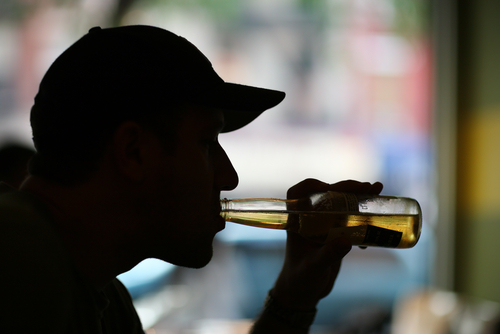
Alcohol dependency also means that you have actually established a tolerance to drinking. Moderate drinking is the just safe way to take in alcohol, but drinking in general really isn't safe for everybody.
About
Fashion is in my blood. When I was a kid, my mom would drive me two hours through crazy LA traffic for photo shoots. I used to hang out with the stylists, try on clothes, get advice. It was a great way to grow up. Eventually, I started giving my friends fashion advice, and never looked back.
After 20 years as a stylist for photographers, I was ready to start a business that would let me evolve my own fashion and consulting style. More than anything, I wanted to share my passion for fashion, and watch as my clients discovered the transformative power of a knock-out look.
Today my clients are CEOs, celebrities, corporate and creative people -- men and women who want serious input on their clothing style, advice on what to wear to an event, or how to put together and pack the most versatile travel wardrobe. I also do styling for fashion shoots, including art direction, makeup, hair, clothing and accessorizing. I’ll make you look great. I promise.
